
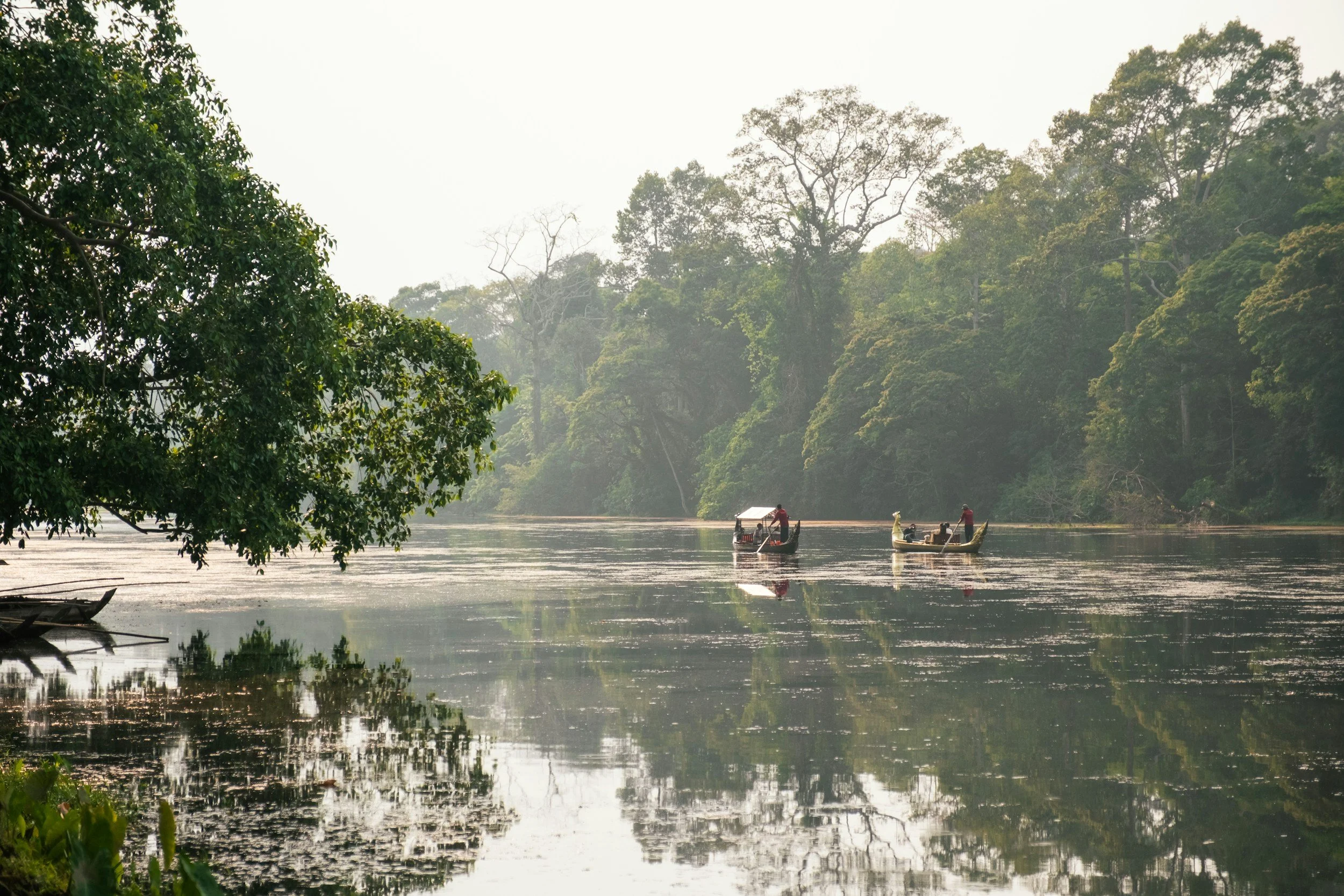
Tonlé Sap Reforestation and Livelihood Initiative (TSRLI)
For centuries, the Tonle Sap annual flood pulse has sustained one of the world’s most productive inland fisheries, supporting trade, agriculture, and the growth of one of Southeast Asia’s greatest civilisations.
Today, the system that made that prosperity possible is under increasing pressure.
>80%
Decline in fisheries populations between 2003–2019
207,000 ha
Grasslands lost between 2004–2023
65%
Original flooded forests lost to degradation and land conversion
The Great Lake
Tonle Sap in the Khmer language
Driven by the seasonal rhythms of the Mekong River basin, Tonlé Sap expands and contracts each year dramatically, sustaining one of the world’s most productive inland fisheries and supporting millions of people across the region.
Today, the lake remains central to Cambodia’s food systems, economy, and cultural identity.
Largest freshwater lake in SE Asia & biodiversity hotspot
One of the world’s most productive inland fisheries
Home to more than 4 million Cambodians who rely directly on its resources.
Provides more than half of Cambodia’s animal protein intake
In addition to its importance as a fishery nursery, the lake and its flooded forest support critical biodiversity, including unique and often endangered bird and mammal species.
Redesigning the Economics of Restoration
TSRLI is founded on a simple premise: long-term restoration must be economically sustainable.
Traditional conservation and restoration efforts often depend on continuous external funding, which limits permanence, scalability, and community involvement. Our solution bridges these gaps by creating sustainable, locally anchored models that reduce reliance on innovative financial mechanisms, enable scalable interventions, and actively engage communities in stewardship and decision-making.
1) Flooded Forest Restoration
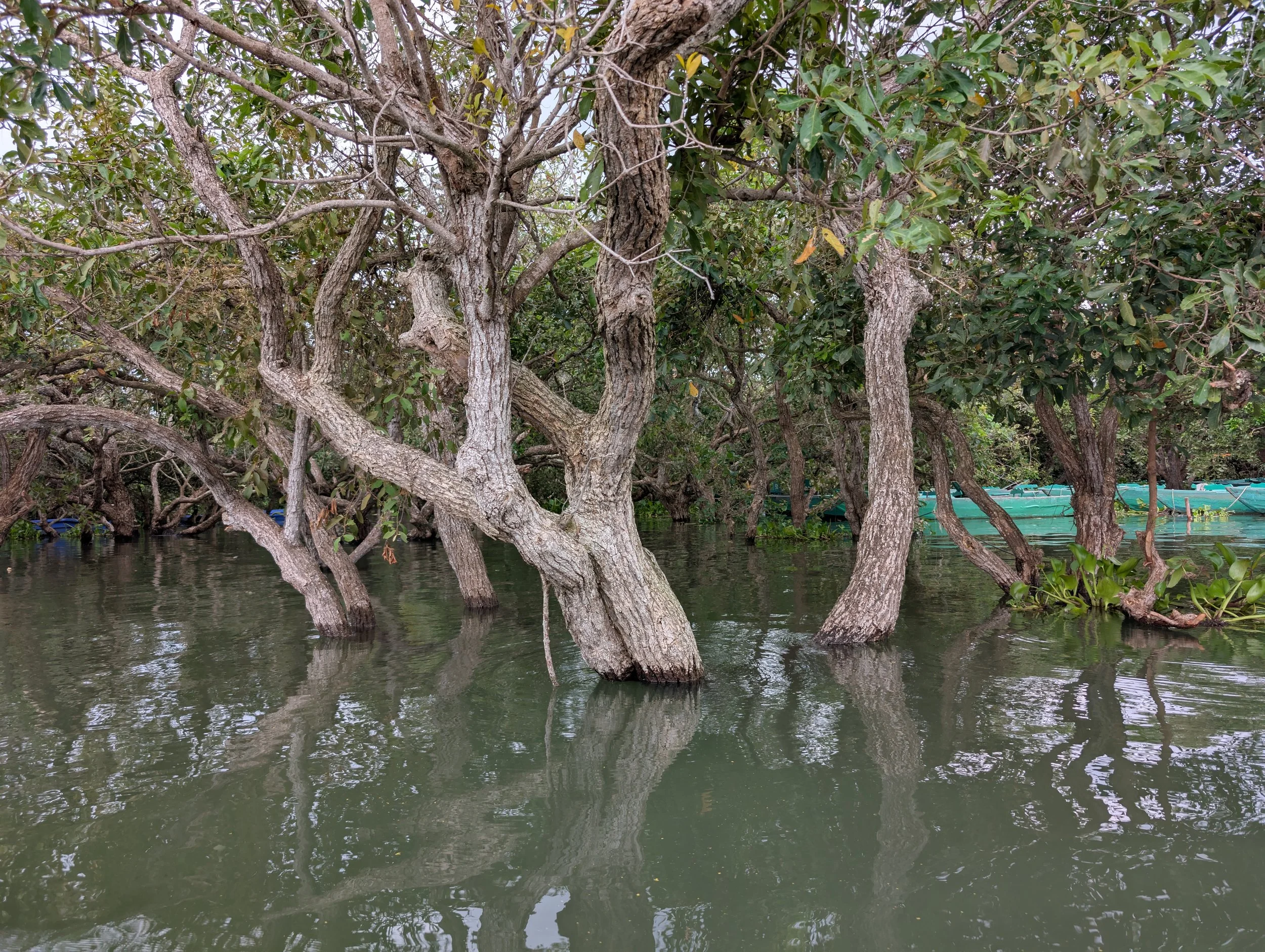
Flooded forests provide critical spawning and nursery habitat for 150–300 fish species and form the ecological foundation of one of the world’s most productive inland fisheries.
We aim to restore up to 100,000 hectares of flooded forest in phases over a 60-year planting and monitoring period across the Tonlé Sap landscape, beginning with a 20-hectare proof-of-concept planting targeted for 2026/27.
Approach
Native species restoration
Focus on Barringtonia acutangula gallery forests with other native species
VM0047 Afforestation, Reforestation & Revegetation methodology
Potential CCB Gold certification
2) Livelihood Value Creation
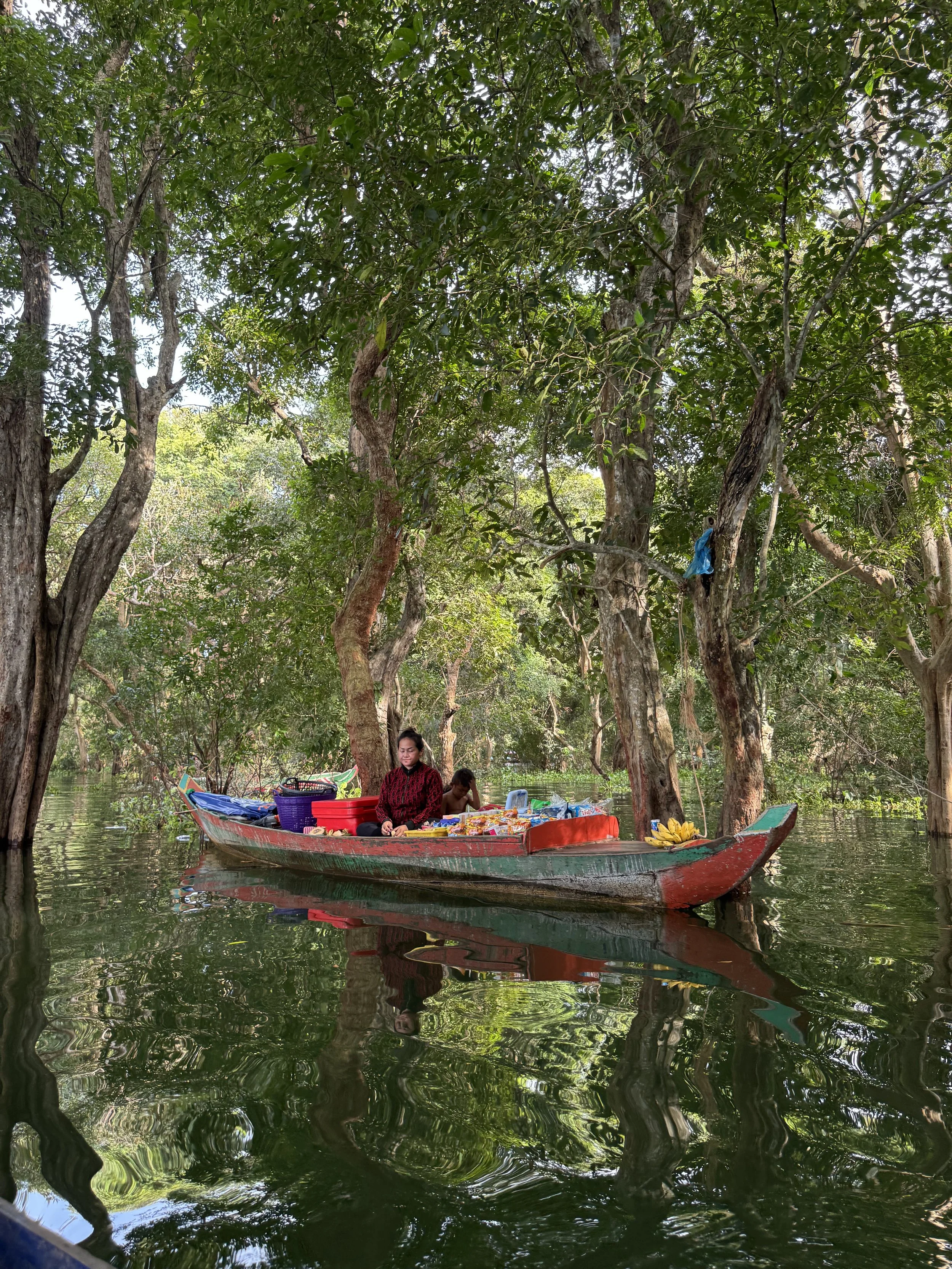
Conservation outcomes are difficult to sustain when communities bear the costs but receive limited benefits. We aim to generate measurable economic gains alongside ecological restoration, ensuring local people share both the responsibilities and the rewards of preserving natural ecosystems.
Approach
Improved rice production systems
Fisheries productivity recovery
Community-linked revenue sharing, employment and continuous engagement
Long-term livelihood diversification opportunities
Projected Outcome: Livelihood activities are designed as an economic engine that supports restoration rather than as a standalone co-benefit.
3) Natural Capital Finance
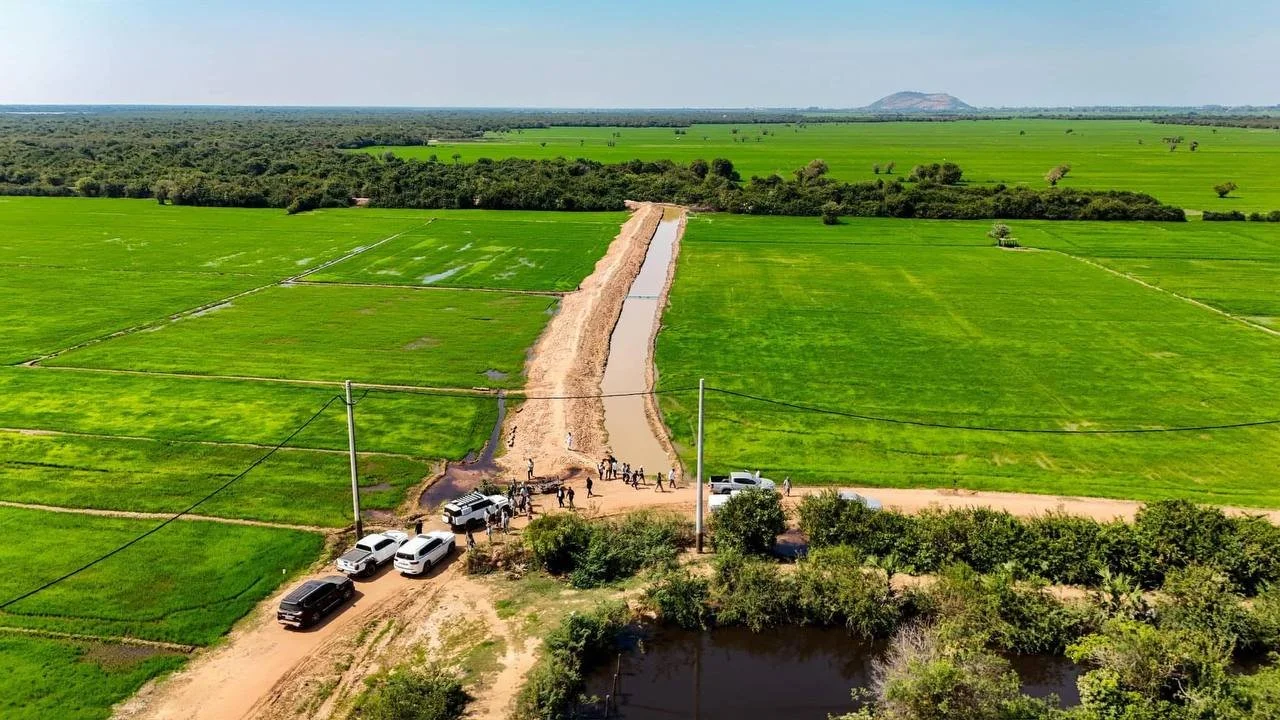
Restoration projects often struggle to attract long-term investment due to significant upfront costs and delayed returns. We are developing blended finance approaches that bring together philanthropic, concessional, impact, and commercial capital to support restoration at scale.
Approach
Verra VM0047 carbon removals methodology
Carbon credit generation
Blended finance structures
Multiple value streams beyond carbon alone
Expert Partners
-

Chhor Marith
Chhor Marith is a rural development and restoration practitioner with more than two decades of experience working across Cambodia's forestry, agriculture, and water sectors. He has led large-scale reforestation, community livelihood, and ecosystem restoration programmes in partnership with government agencies, international development organisations, and private sector partners, with a particular focus on the Tonlé Sap landscape.
He advises Tathva on the Tonlé Sap Restoration and Livelihoods Initiative, leading local stakeholder engagement, implementation planning, government coordination, and community-based restoration activities. His experience combines practical delivery at field level with a deep understanding of the social, environmental, and economic dynamics that shape long-term landscape restoration in Cambodia.
-

Bruno Bianchini
Bruno Bianchini is a nature economist with a Master's in Sustainability from Harvard University. He spent 13 years at Google in senior leadership roles, building and leading commercial partnerships across the Middle East, Africa, and Turkey. His work sits at the intersection of ecological economics and private investment, focused on closing the gap between the measurable value of nature and the capital needed to restore it.
He advises Tathva on the Tonlé Sap Restoration and Landscape Initiative, leading the financial and economic assessment of the project, including cost-benefit analysis, carbon sequestration and pricing modelling, and the appraisal of financial viability and broader economic returns for society.
-
Birch Group Consulting
Birch Group Consulting is a climate finance and environmental risk advisory firm focused on connecting development finance capital with nature-positive outcomes across Southeast Asia, the Pacific and Latin America.
Birch Group supports the Tonlé Sap Restoration and Livelihood Initiative through carbon pricing strategy, financial modelling, blended finance design and investor-facing structuring. Working with Tathva, it helps turn the initiative’s restoration and livelihood objectives into practical financing pathways for public, philanthropic and private capital
Join the Initiative
*
Join the Initiative *
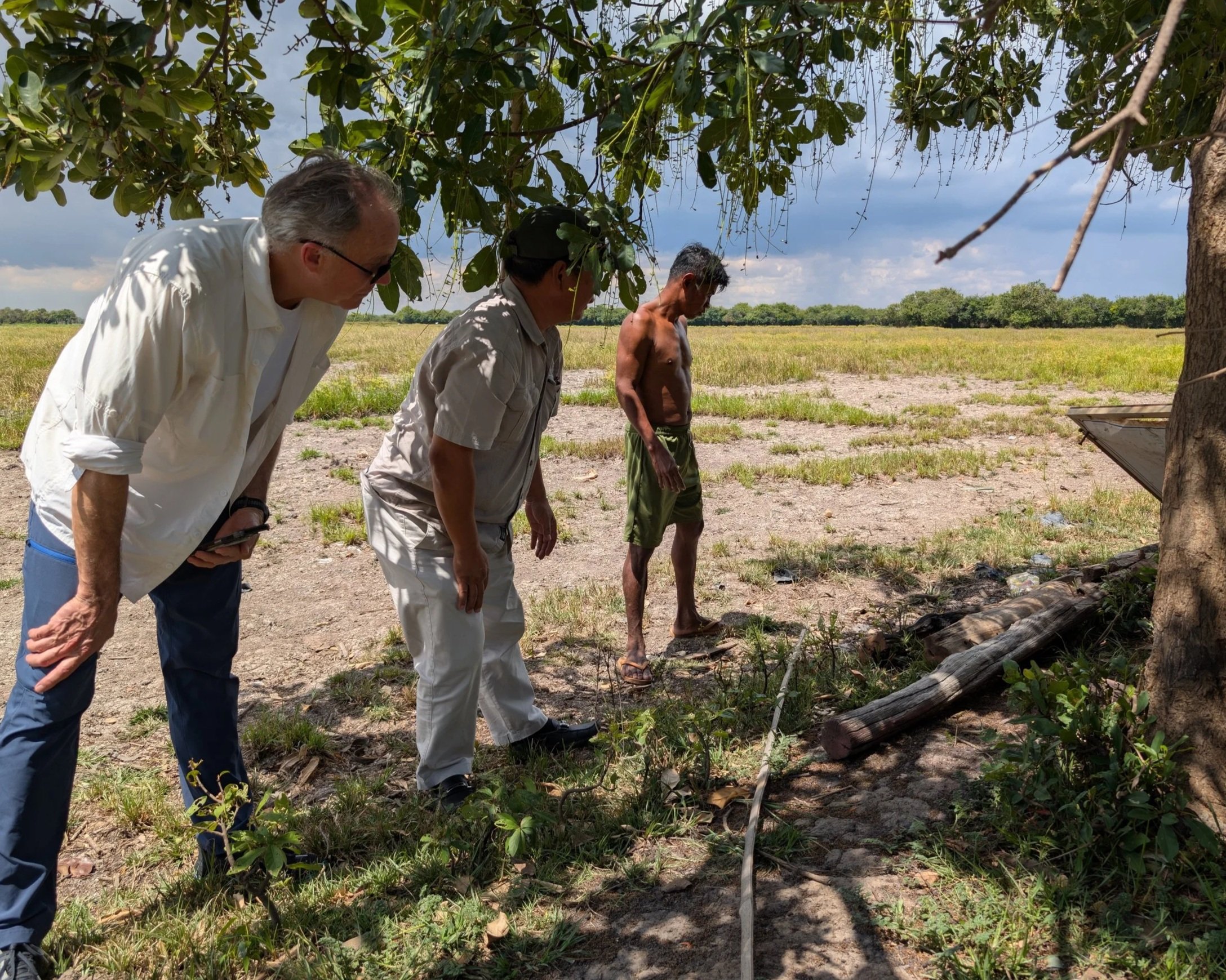
TSRLI is being developed as a long-term, collaborative effort that integrates ecological restoration, community livelihoods, and innovative financing into a single landscape-scale framework.
We are actively seeking opportunities to collaborate with:
Strategic and implementation partners
Conservation and development organisations
Technical and research institutions
Philanthropic funders and impact investors
Government and community stakeholders